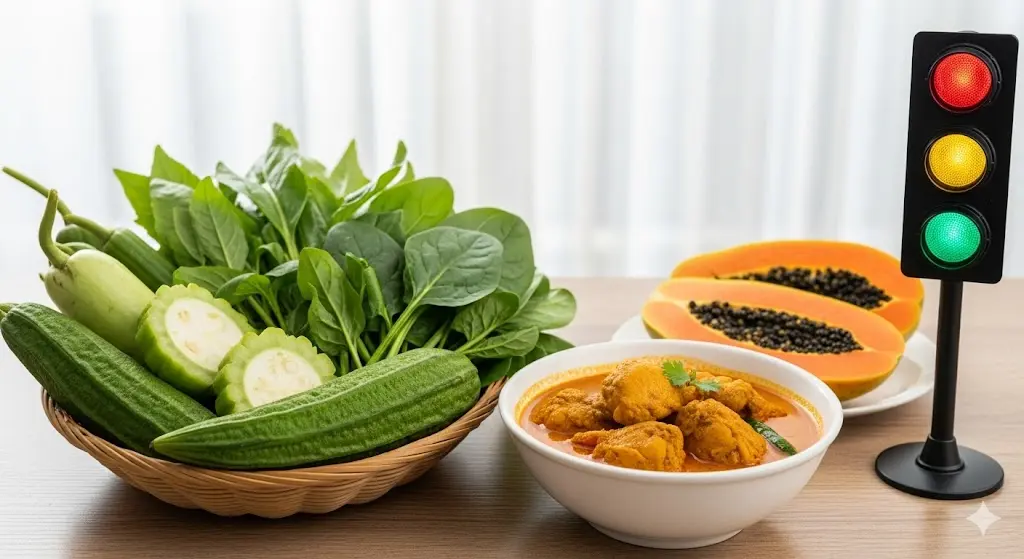
Coloring Your Plate – Vegetables, Fruits & Non-Veg the Healthy Way
Dec 21, 2025
"Life is sweet, but your blood doesn't have to be."
When a doctor says the word "Diabetes" (or Sakkare Kayile as we often call it), the first thought that rushes through most minds is a sad goodbye to tasty food. We imagine a life of boiled vegetables, bitter juices, and bland rotis.
But here is the truth: A diabetic diet is not a starvation diet. It is simply a healthy way of eating that everyone in the family should actually be following! Whether you live in the bustling streets of Bengaluru or the green fields of Mandya, managing diabetes is about balance, not deprivation.
Let's take a walk through our local kitchen and see how we can tweak our beloved Karnataka cuisine to work for us, not against us.
Let's clear the air on some things we hear at weddings and family gatherings.
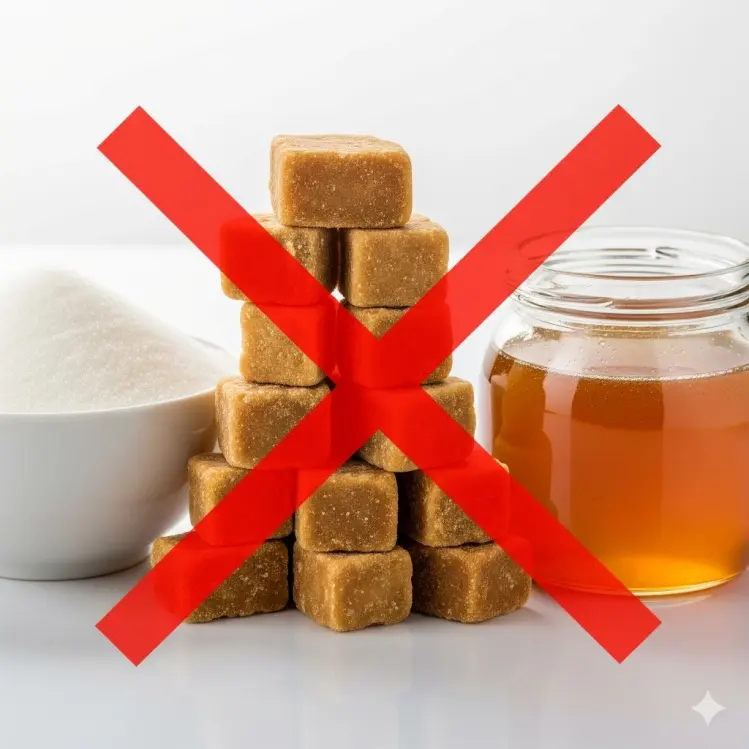
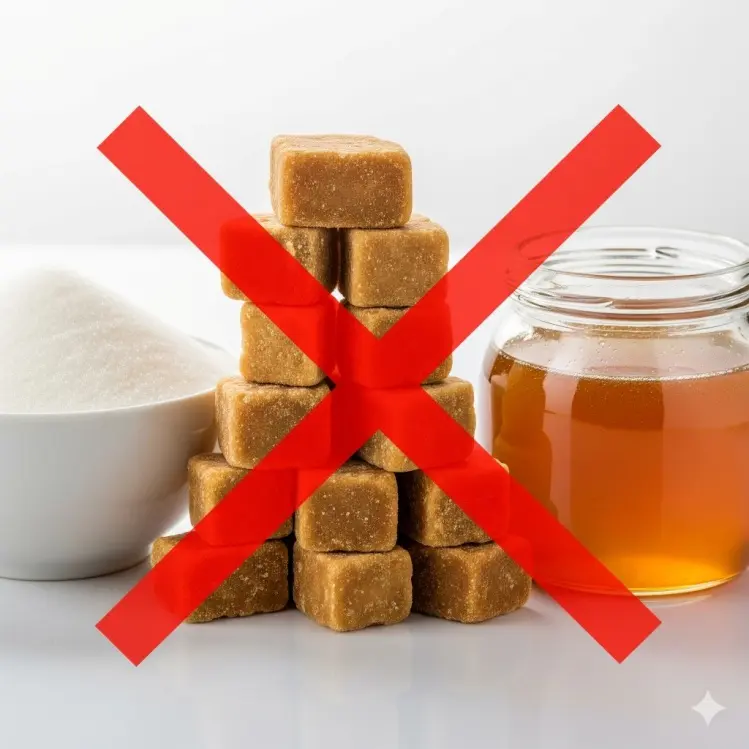
Fact: To your body, sugar is sugar. Jaggery might have some iron, but it raises blood sugar just as fast as white sugar. Say NO to Jaggery, Honey, and Sugar. Use them very sparingly. Sweetness is a treat, not a daily habit.
Fact: While Karela and Methi help manage insulin sensitivity, they are not magic wands. You cannot eat three Mysore Paks and then drink Karela juice to "cancel it out."
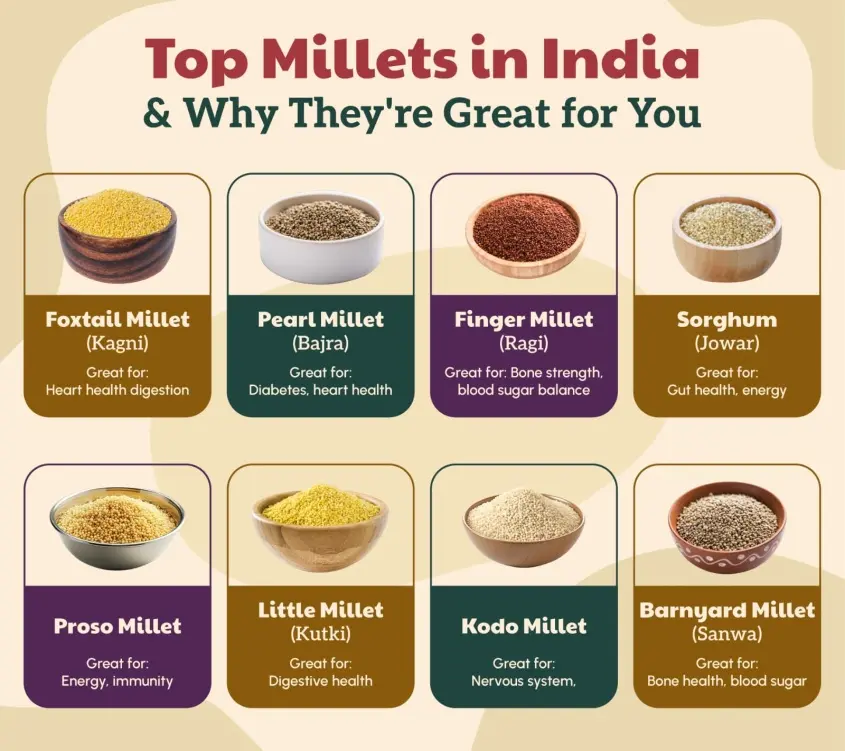
Karnataka is the land of millets. These are "complex carbohydrates"—they release energy slowly into your blood, unlike white rice which rushes in like a flood.
High in calcium and fiber.
Great for heart health.
Excellent replacements for rice in Pongal or Bisibelebath.
The secret is not what you eat, but how much. Use the Plate Method: Half your plate should be vegetables, a quarter protein, and only a quarter carbohydrates.
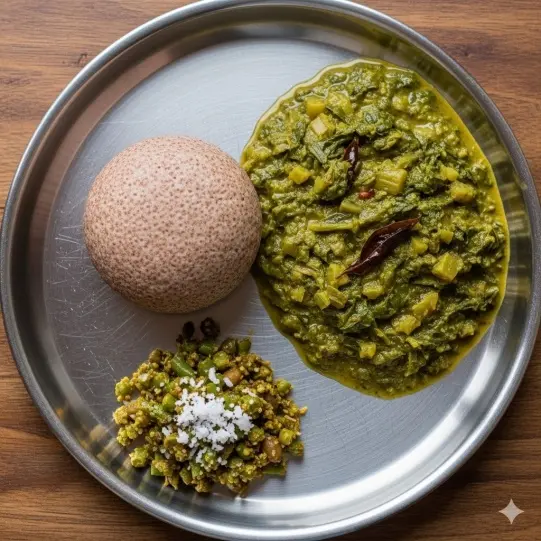
If you love your Mudde, don't give it up. Just resize it.
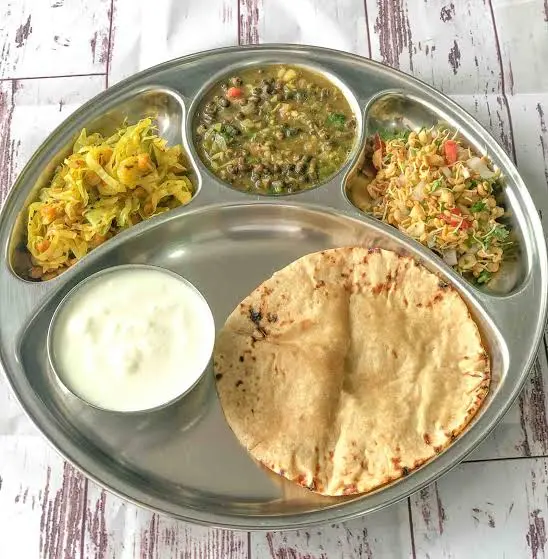
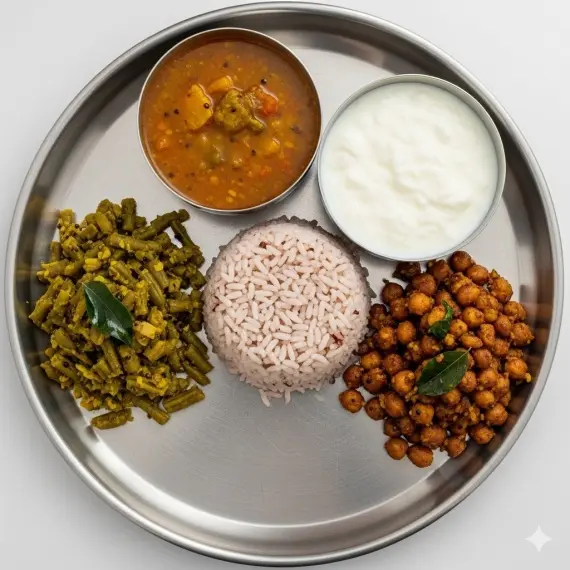

Protein is the hero that stops your blood sugar from spiking.
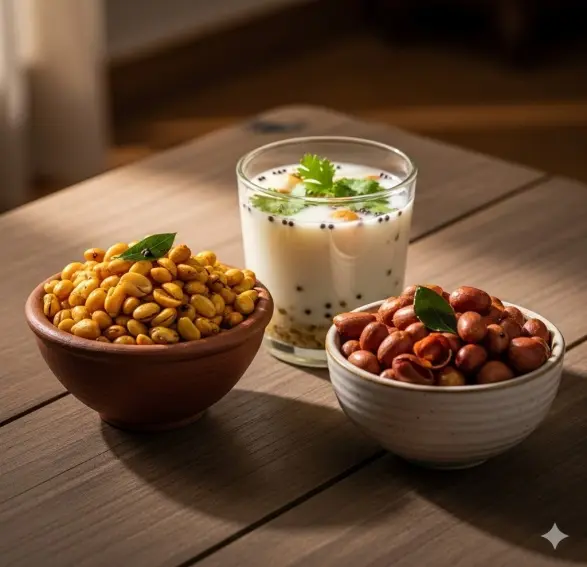
Before you touch rice or roti, eat a small bowl of raw cucumber, tomato, or carrot. The fiber acts like a net, catching the sugar.
Avoid the "Biscuit Trap." Biscuits and rusks are full of maida and sugar. Use Roasted and flavoured Makhana, chickpeas, peanuts instead, Masala oats and Paneer snacks offer a tasty and healthy variation.
Here is a simple guide to help you plan your day.
| Meal Time | Menu Suggestion | Why is this good? |
|---|---|---|
| Early Morning | 1 glass warm water, 5 soaked almonds (Badami) + 1 walnut | Starts metabolism; almonds improve insulin health. |
| Breakfast | 2 small Ragi Dosa (add onion/carrot/methi to batter) OR broken wheat (Godhi) Upma with lots of beans. Side: Coconut chutney (mint/coriander based). | High fiber start. Vegetables in Upma reduce the carb load. |
| Mid-Morning | 1 fruit (Guava/Apple/Papaya). Avoid Juice. | Whole fruit gives fiber. Juice spikes sugar instantly. |
| Lunch | 1 cup Brown Rice OR 1 Jowar Roti OR 1 small Mudde. 1 bowl Soppu Saaru (Greens dal). 1 bowl Beans/Cabbage Palya. 1 cup Buttermilk. | Green leafy vegetables are excellent for blood sugar control. |
| Evening Snack | 1 cup Tea/Coffee (No sugar). Small bowl of Sprouted Moong Salad or Roasted Channa. | Avoids the biscuit/rusk trap. Protein keeps you full till dinner. |
| Dinner | 2 Chapati (Multigrain preferred). Bowl of Vegetable Sagu or Chicken Curry (less oil). Cucumber slices. | Dinner should be lighter than lunch. Eat 2 hours before sleeping. |
| Bedtime | (Optional) Half cup warm milk with a pinch of turmeric. | Aids sleep and digestion. |
Managing diabetes is a marathon, not a sprint. It is not about eating "perfectly" every single day; it is about making better choices most of the time.
Do you have questions about your diet? Visit the Department of Diabetes at Sumukha Speciality Hospital, Sagara for a personalized consultation!